Kroger’s $1.2B Strategy Trap: Outperforming Walmart & Amazon Through Living Digital Twins
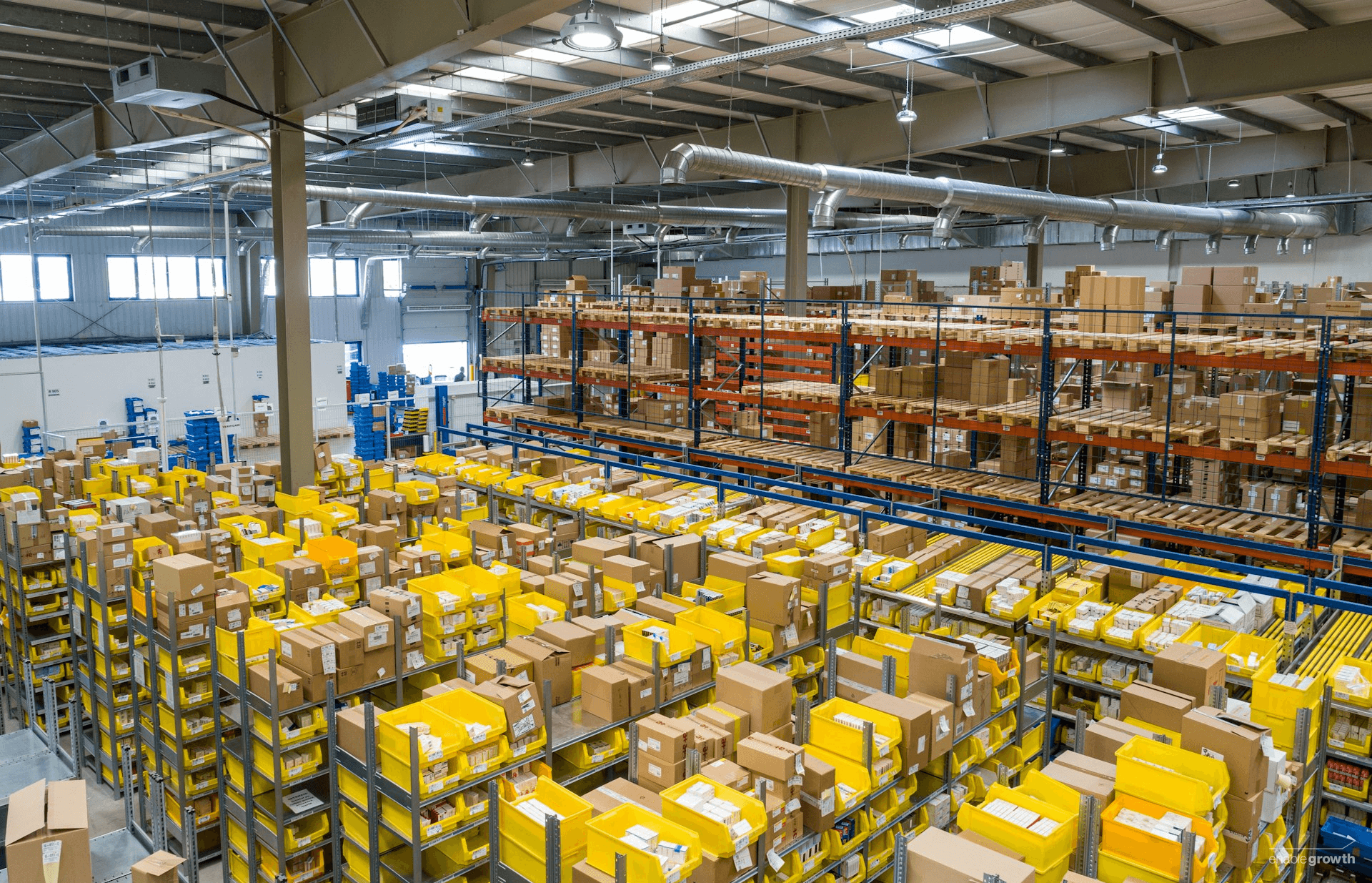

Kroger’s $1.2B Strategy Trap: Outperforming Walmart & Amazon Through a Living Digital Twin
Kroger’s plan to open approximately 110 stores by 2029 is being presented as an expansion initiative. That description misses the real story.
The real transformation is an operational surgery: Kroger is shifting floor space away from apparel and general merchandise toward prepared fresh foods, private-label lines, and online grocery fulfillment hubs, backed by a $5 billion commitment to customer value.
This is not a traditional store opening program. It is an operational chess match against Walmart and Amazon.
Here is how Strategy OS analyzes, models, and executes this move.
1. PHOTO Analysis: Kroger Against Competition
To outperform, leadership must first simulate operational capacity against competitors:
- The Competitive Landscape:
- Walmart: Wins on sheer automated regional distribution center scale and aggressive everyday low pricing.
- Amazon / Whole Foods: Wins on cloud algorithms, Prime ecosystem lock-in, and suburban micro-delivery.
- Kroger's Asymmetric Advantage:
- 2,700 retail stores situated within 5 miles of 85% of US suburban households.
- The PHOTO Operational Bottleneck:
- In a traditional store layout, store associates pick online orders in customer-facing aisles.
- Peak online order fulfillment coincides exactly with peak retail checkout hours (5:00 PM – 7:00 PM).
- Without dedicated micro-fulfillment staging, fulfillment labor costs spike by 24%, destroying delivery margins.
2. Vision: The n+5 Destination (2031)
Where must Kroger be in 5 years? Not a traditional supermarket chain with 110 more buildings.
The n+5 Destination is the Dominant Suburban Fresh & Rapid-Pickup Hub:
- Omnichannel Margin Parity: Bringing digital pickup EBITDA from -3% to +4% through automated in-store micro-staging.
- Private-Label Dominance: Expanding high-margin "Our Brands" from 30% to 42% of total basket revenue.
- Square-Footage Productivity: Increasing sales-per-square-foot from $650 to $920 by converting low-margin apparel aisles to high-turnover prepared fresh foods.
3. Strategic Leverage: Closing the Operational Gap
True corporate strategy is not a static wishlist; it is closed-loop operational reallocation.
The Operational Gap:
Operating with 12-month static budgeting cycles while consumer shopping patterns shift weekly creates a $1.2 billion capital-at-risk gap in misallocated floor space, labor overtime, and stranded general merchandise inventory.
The Strategic Leverage:
Kroger does not need to out-spend Walmart on giant automated warehouses. Kroger’s leverage is spatial proximity:
- Strength: Unrivaled neighborhood store density.
- Opportunity: Staging prepared meals and private-label groceries 15 minutes closer to the consumer than Walmart can reach.
- Leverage Applied: Converting 18,000 sq ft of back-of-store space per location into dedicated automated pickup lockers and micro-staging.
4. The Living Execution Roadmap
Strategy OS translates this analysis into a gated, three-phase operational roadmap:
- Phase 1: Format Calibration & Micro-Staging (Months 1–6)
- Retrofit 10 test locations with dedicated back-of-store micro-fulfillment hubs.
- Gating KPI: Picking cycle time must drop from 18 min to under 7 min per basket before Phase 2 capital is unlocked.
- Phase 2: Fresh Perimeter Reallocation & Private-Label Surge (Months 7–18)
- Reallocate central apparel square footage to prepared meal kitchens and high-margin private-label shelf space across the first 40 stores.
- Gating KPI: Private-label basket penetration must exceed 35%.
- Phase 3: Automated Replenishment & Margin Parity (Months 19–36)
- Roll out micro-fulfillment staging across all 110 new builds and hundreds of retrofits.
- Gating KPI: Digital order EBITDA reaches parity with in-store transactions (+4%).
5. What Strategy OS Enables: From Static Planning to Outperformance
Traditional corporate strategy freezes assumptions in static 12-month budgets and disconnected spreadsheets. Within 60 days, shifting customer demand and supply chain bottlenecks make the deck obsolete.
enablegrowth Strategy OS gives leadership a living operating twin:
- Simulate Before Committing: Test store footprint conversions and labor capacity curves in software before deploying capital.
- Rapid Reallocation: Reallocate capital, space, and workforce across operating units in days rather than waiting for quarterly steering committees.
- Durable Outperformance: Turn an operational format shift into a high-margin competitive moat against Walmart and Amazon.
6. Test the Live Kroger Digital Twin in the Strategy OS Sandbox
You can stress-test this scenario live in the enablegrowth Strategy OS Sandbox. Explore the living dynamic SWOT, simulate footprint reallocations, and experience the future of corporate strategy execution:
Explore the Retail Optionality & Supply Grid in Full 3D
Dynamic Buffer Stock, Supplier Volatility & Margin Arbitrage. Test real-time scenario adjustments and observe strategic drag shifts live without setting up an account.
Quantify Your Organization's Strategic Drag
Static annual roadmaps and decision latency cost enterprise teams an estimated 15% in lost execution velocity. Run our 60-second diagnostic to calculate your dollar drag.
Start Playing with Strategy OS
Transform your static plans into dynamic knowledge with our AI-powered strategic platform.
Start Free Trial